The
Arts and Crafts Movement`s aim was to reform design and ultimately society through
a revival of hand crafts. This movement encouraged: spiritual harmony,
individualism, hand-made goods rather than machine made uniformly. Other characteristics of this movement are:
honesty, simplicity of line, fidelity to function and national pride.
 |
| 'Tulip and Willow', 1873 |
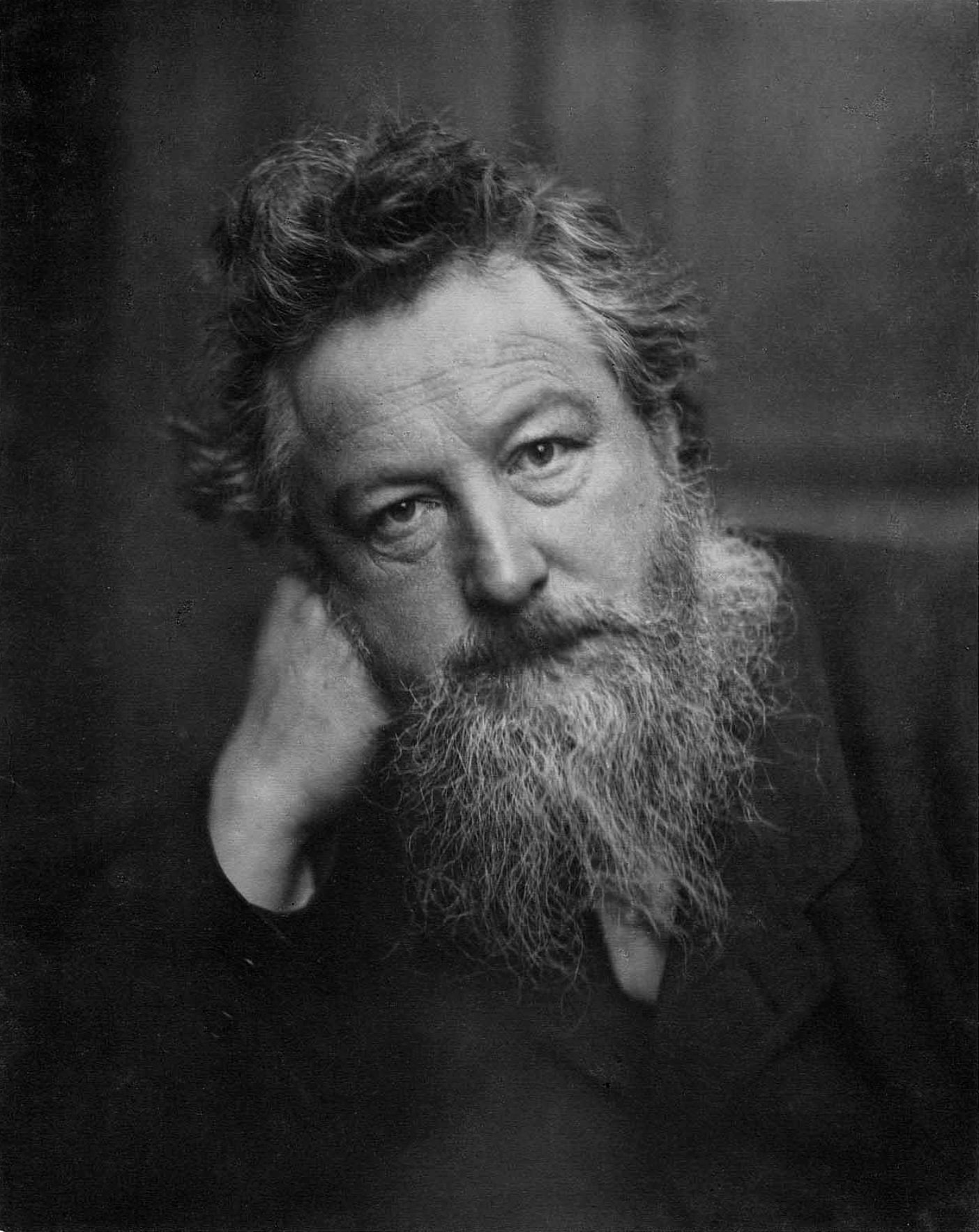
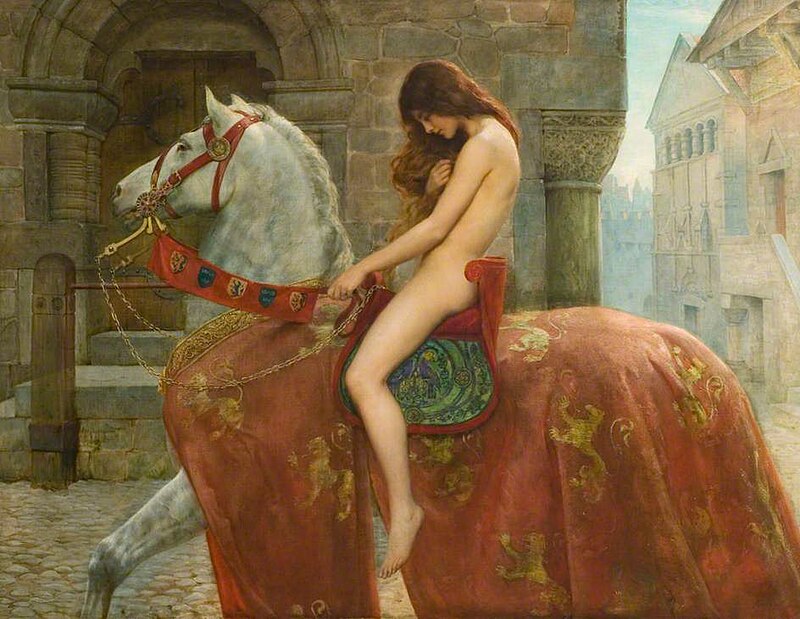
He wanted to take Ruskins creations and change them around to his own modern style. He wanted things to be simplified and not over done to the human eye.
 |
| Morris Golden Lily wallpaper design 1897 |

John Ruskin (1819-1900) was an
architect, critic and a writer. He re-united the Designer & Craftsman
spirituality. His main aim was to combine the fine arts and the
applied arts into one whole.
Ruskin enjoyed seeing hand made pieces and thought they were pieces that needed a lot of time and hard work added to each of them. He wanted everything to be made out of the simple enjoyment of design and not making things so they would just be made, with an ordinary way of making them.
Both Ruskin and Morris were the two main founders of the Arts
& Crafts Movement from the 1860's till 1910.
 |
| Arthur Heygate Mackmurdo |
Heygate Mackmurdo has very similar ideas to Ruskins' and Morris'
Both Morris and Ruskin felt that things should be hand made and not touched by machines, they should involve hard craftmenship and really mean something, they had to look good and function very well. Detail and modern design was a must, anything boring would go a miss. For me personally, they are right but there is another
option where the designers can invent designs which are simple to be
manufactured but in the same time decorative. The craftsman’s skill is not that appreciated and needed by
time. Although their designs kept being
used even in the following Movement called the Art Nouveau. Same organic forms
were used but at some times more simpler.
Commemorating Culture Heroes &
Excavating World Events,
2011. The death of John Ruskin. [online] Available at: http://www.onthisdeity.com/20th-january-1900-%E2%80%93-the-death-of-john-ruskin/
[Accessed 25 October 2013].
William Morris -
The Arts and Crafts Movement, 2013. William
Morris.[online]Available at: http://www.artyfactory.com/art_appreciation/graphic_designers/william_morris.html [Accessed 25 October 2013].


